
Is your bathroom outdated and doesn’t feel the same as it used to do? Maybe the layout is a little off-trend, or the design no longer complements your taste. If so, consider investing in bathroom remodeling.
A bathroom is where you spend most of your time; therefore, it must be comfortable and functional. A well-designed bathroom can make your house look better and create a relaxing environment to unwind after a tiring day.
But if you’ve never done a bathroom renovation before, knowing where to begin can be a little confusing. After all, many different things are involved, from the bathroom floors and cabinets to the lighting and fixtures.
But do not worry. We are here to help you through the remodeling process. Our step-by-step guide can help you transform your bathroom into the perfect space for you and your family.
Step 1: Consider Why You Want to Renovate Your Bathroom

Think about why you want a bathroom renovation and what you want to achieve with your bathroom remodel project.
Do you need to improve the layout? Or do you need more storage? Do you need more counter space? Do you want to add things you like, maybe warm floors or a fancy shower?
Your answers to these questions will help you decide how much money to spend, how long it will take, and what style to choose. Also, consider who will use the bathroom the most. If it’s just you, you can always go for fancy things you like. But if it’s a busy family bathroom, things must be durable and practical.
Remember to consider why you want a bathroom renovation— It is important when planning your new bathroom.
Step 2: Decide What Type of Bathroom Remodeling You Want
Once you decide why you want a bathroom renovation, you need to choose the type of remodeling you need. There are four main types: surface-level, replacement, layout changes, and complete remodels.
Surface-Level Bathroom Renovation
A surface-level remodel involves minor changes to your bathroom’s appearance. It’s all about improving the appearance without changing the structure much. Unlike a replacement remodel, the focus is fixing what’s already there.
Surface-level bathroom renovations are often cheaper because they do not require much time or materials. They’re usually simple projects that a skilled DIYer or a small team of professionals can finish in just a few weekends.
Replacement Remodel
It involves swapping old bathroom products with new ones, such as countertops, toilets, or showers while keeping everything else in the same place.
Layout Changes Remodel
Here, you’re rearranging your bathroom’s layout. It involves plumbing and electrical changes but doesn’t change the bathroom’s size or walls. It’s less work than a full remodel but still gives your bathroom a big makeover.
Complete Remodel
A complete bathroom renovation is like starting from scratch. You remove everything and rebuild it all over again. The bathroom remodel cost here might be higher because it involves tearing down, building up, and fixing pipes and wires.
You can change the bathroom’s size, move walls, or add new windows. Therefore, these bathroom remodel projects need an experienced contractor to manage them.
Step 3: Budget
How much money you will need to spend depends on the following things—
- what kind of remodeling you’re doing,
- how much work it takes,
- what materials you pick,
- how much it costs to hire people, and,
- if you need permits.
How Much Does a Bathroom Remodeling Cost?
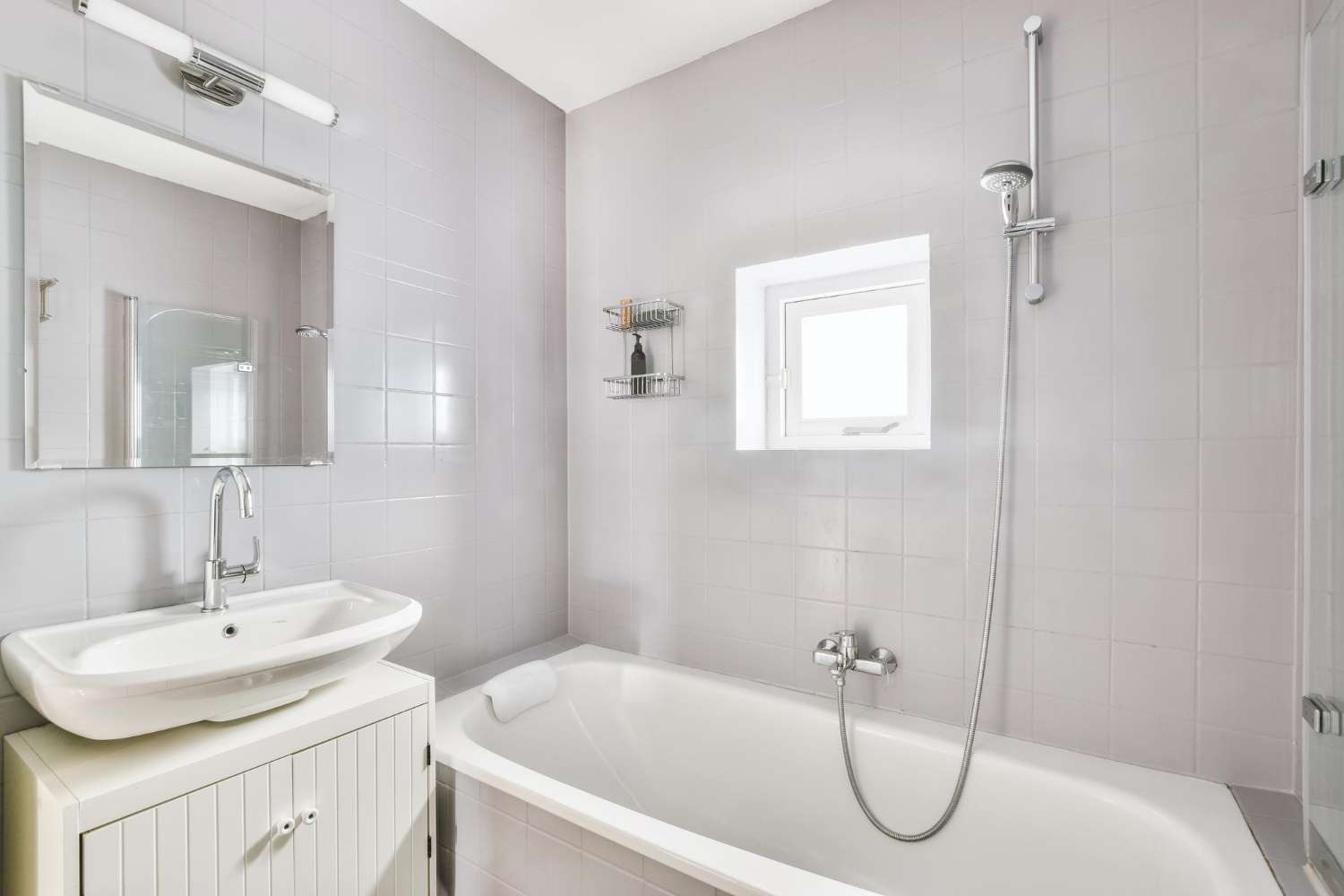
Determining a bathroom remodel cost can be complex due to various factors. Reports show that mid-range projects average around $35,000, while upscale remodels average about $101,000. According to HomeAdvisor, homeowners typically spend between $6,620 and $16,709 nationally.
At Pineda’s Painting & Services, we prioritize top-quality craftsmanship and customer satisfaction within your budget and time.
Step 4: Planning the Design of Your Bathroom
Now that you’ve determined your bathroom remodel cost and chosen the type of project, it’s time to consider your design! Here are some essential things to consider as you plan your bathroom makeover.
Consider the Layout
The key to starting your remodeling project is considering how you will arrange the bathroom. You want a layout that suits you well.
Ask yourself:
- Does your current layout work for you?
- Are you using the space as best as you can?
- Is it easy to use?
- Do you need to move things around to make it better?
Materials, Colors, and Patterns
Aim for a balanced mix when picking materials and colors for your bathroom remodel project. For instance, consider tile for the floor if you use paint or wallpaper on the walls. Or, if your countertops are light, try darker wood for cabinets. Using different materials and colors adds interest without doing too much.
Cleaning and Maintenance
When planning your design, consider how easy it will be to keep your bathroom clean. Shower tubs get soap scum, sinks, and faucets get dirty, vanities gather dust, and floors get slippery when wet. So, choose materials that are easy to maintain, whether natural stone or fully tiled walls. It’s important to keep your bathroom looking clean and well-maintained.
Storage
Do not forget about storage when planning your bathroom renovation! Many people don’t realize how many items they want to keep in there, from towels and toilet paper to cleaning supplies.
Whether you have a big or small bathroom, you can always find ways to use space better. If there’s room under your sink, consider adding cabinets, drawers, or shelves to make the most of it.
Step 5: Deciding on DIY Or Hiring a Professional
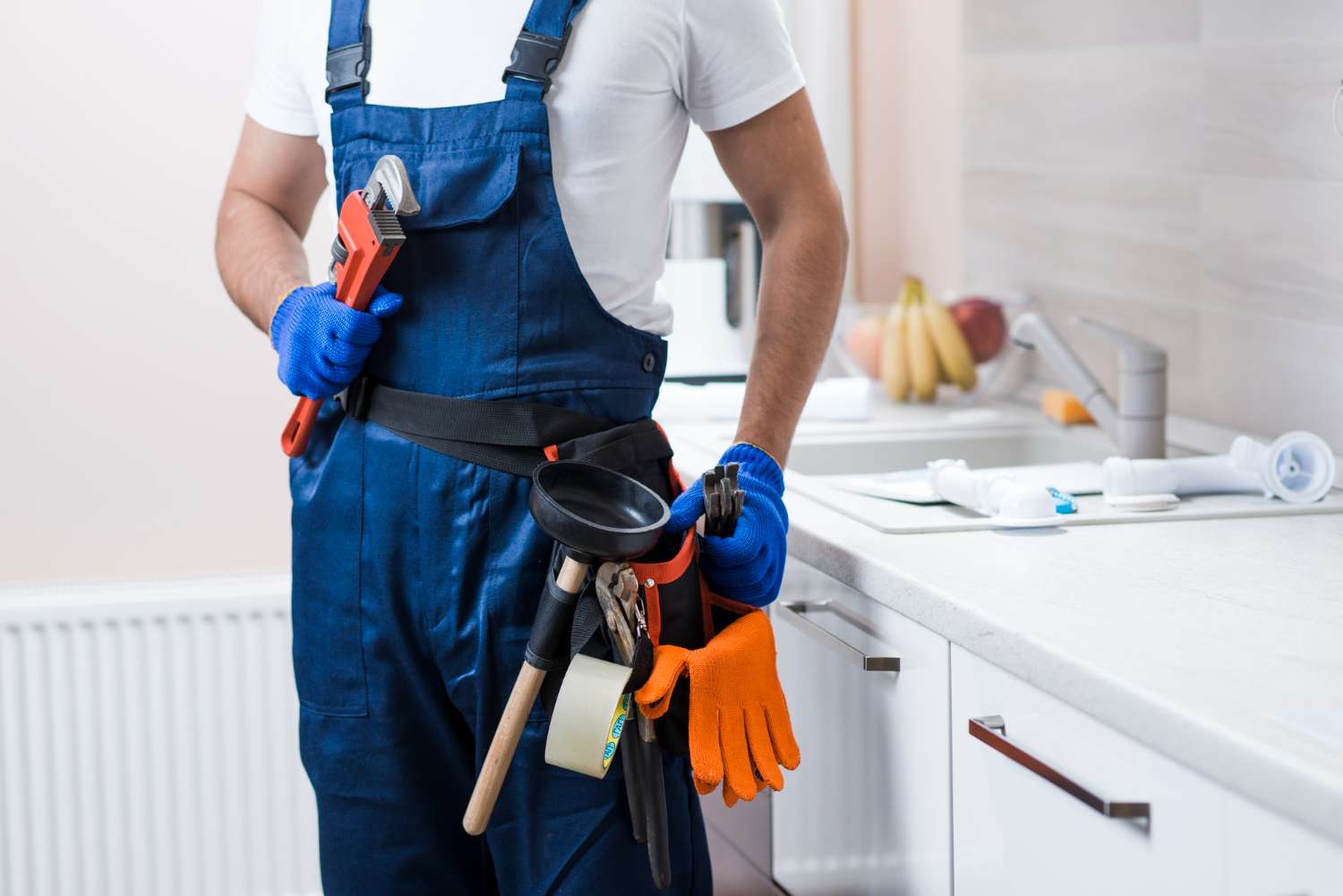
When it comes to bathroom remodeling, you have two options: do it yourself or hire a professional.
DIY: If you’re handy, you might save money by doing some tasks yourself. However, it is important to be careful when plumbing and working on electrical things. Leaving that to the professionals is usually the best you can do.
Contractor: If you’re not into DIY, hiring a professional is a good idea. It might cost more, but there are perks:
- Contractors deal with permits and inspections.
- They make sure everything is on time and meets your quality guidelines.
- They stick to the schedule, saving you time.
- They have the skills to create a high-end bathroom that’s hard to match with DIY.
Bathroom Remodeling Process
Now that you’ve thought about how you want your bathroom to look and whether you’ll do the work yourself or hire someone, you might wonder what usually happens during a bathroom makeover.
Even though each project is different, here’s a general idea of the steps:
1. Permits: Depending on your work, you might need permits from your local building department. If you hire a contractor, they’ll usually handle this part.
2. Taking Things Out: Once you have your permits, it’s time to remove the old stuff from your bathroom to make room for the new things.
3. Building the Frame: After clearing out the old items, the new walls and supports are built to hold everything in place.
4. Plumbing and Wiring: Next, the plumbing and wiring are set up according to your area’s rules. This is important to ensure that water and electricity work safely.
5. Putting Up the Walls: The walls are covered with drywall, which helps keep the heat in and blocks noise. Later, tiles or paint go here.
6. Waterproofing and Tile Prep: Waterproofing and putting down a base for tiles is essential to stop water from causing damage.
7. Installing the Tub or Shower and Tiling: After waterproofing, it’s time to put in the tub or shower and tile around it. This is tricky work, so it’s best left to the professionals.
8. Painting: The walls get primed and painted once the tiling is done. It’s good to pick a paint color that matches your tiles and fixtures.
9. Adding Flooring and Baseboards: Now it’s time to put down the flooring and install baseboards to protect the walls from water damage.
10. Toilet: Installing the toilet is a big step. Make sure to choose one that fits your needs and budget.
11. Vanity, Countertops, and Sink: The vanity, countertops, and sink get installed next. These are important for both style and function.
12. Lights, Fan, Mirrors, and Extras: Finally, lights, fans, mirrors, and other accessories are added. Make sure they match your style and are practical for your needs.
Plan Your Dream Bathroom Remodeling with Pineda’s Painting & Services
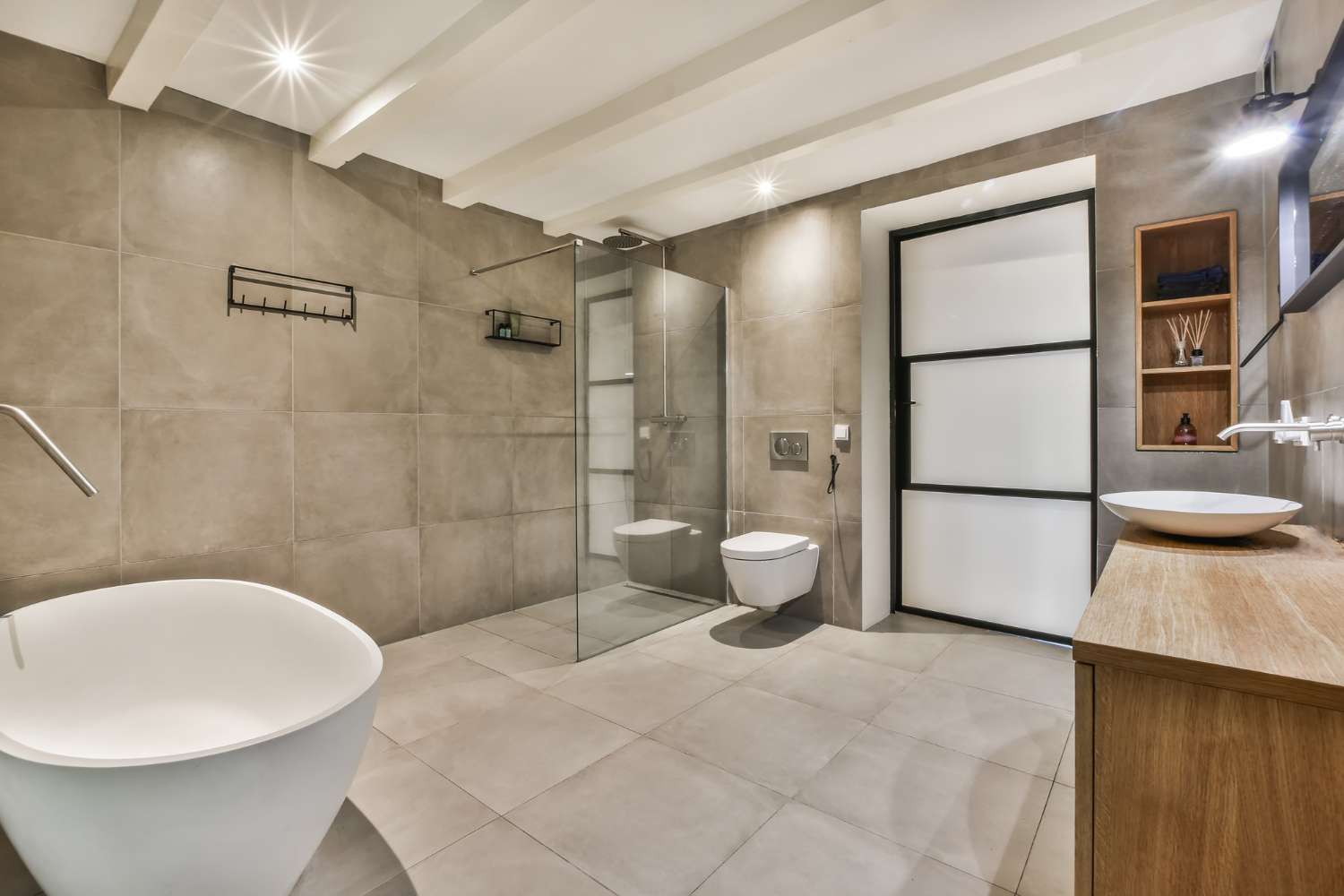
Bathroom renovation can be exciting, just like starting with a blank canvas. But it can also be confusing when it comes to finding the starting point. Remember, the right bathroom fixtures and features can turn your bathing space into a relaxing retreat.
Now that you’ve read this guide, you should have a better idea of the steps involved in bath remodels. Remember, no matter what kind of bathroom makeover you go for, the most important things are—
- figuring out your budget,
- thinking about what you want to achieve and
- planning your design carefully.
If you’re ready to start your bathroom remodel project, Pineda’s Painting & Services is here to help! Call us at 512-748-3608 or fill in the form to get an estimate for your bathroom remodeling project today!